For decades, university attendance in Nigeria has been managed the same way: a lecturer calls names, students respond, and someone marks a sheet of paper. It works — until it doesn't. The process eats 10–15 minutes of every lecture, and it does nothing to stop proxy attendance.
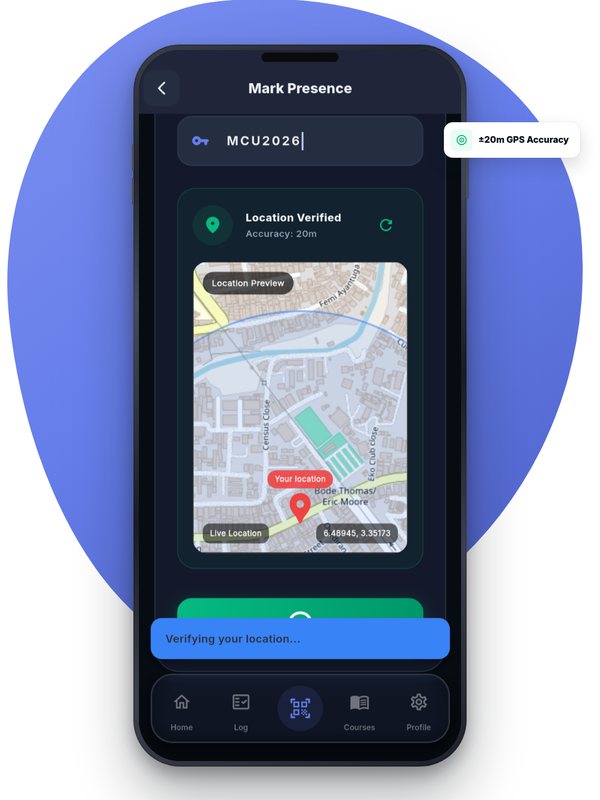
GPS-based attendance systems like Attenova are changing this completely. Instead of a roll call, a lecturer generates a session code at the start of class. Students enter the code on their phone or laptop, and the system verifies their GPS coordinates against the classroom location. If they're not physically in the room, the check-in is rejected. No exceptions.
What universities are seeing
Because a check-in only counts when the student is physically in the room, GPS attendance takes away the easy route to proxy attendance. More importantly, lecturers are reclaiming the time they used to spend on administration.
The goal is simple: give lecturers those minutes back, every single class.
The technology behind it

Attenova uses the Haversine formula to calculate the distance between a student's reported GPS coordinates and the registered classroom location. The lecturer sets a radius (typically 50–200 metres), and any check-in attempt from outside that radius is automatically rejected.

Attenova Team
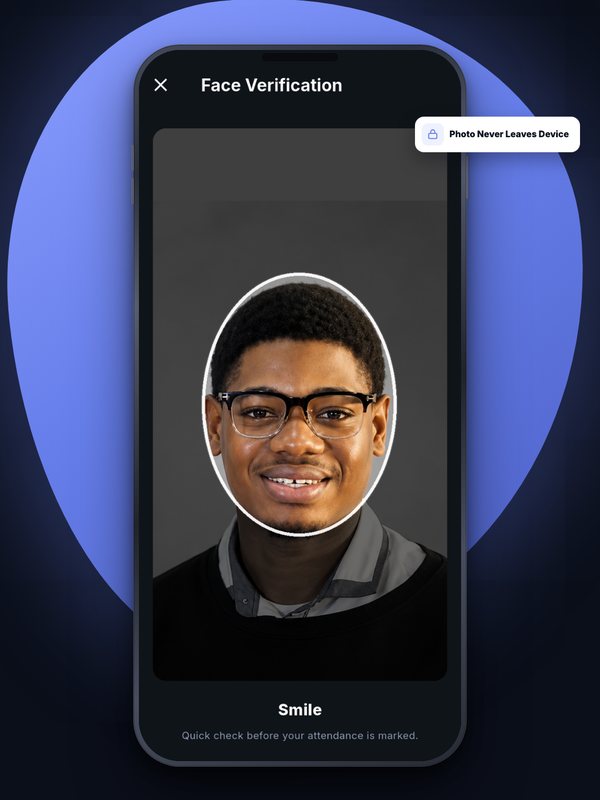
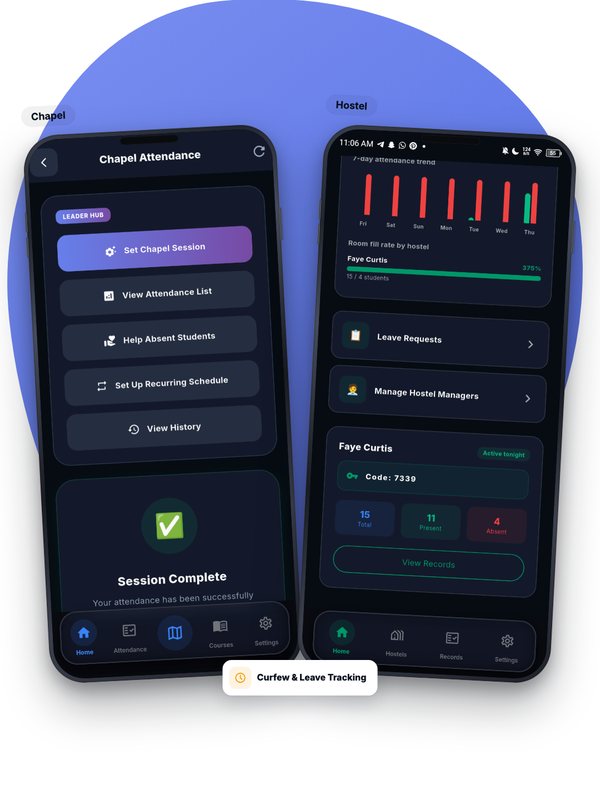
We build Attenova at DWS CODES LTD — GPS- and face-verified attendance for classes, chapel, exams, events and hostels, at no cost to universities.
Leave a Comment